
Search History
468551767
Custom Printable Alphabet Picture Learning Flash Cards
Playing card plastic
playing card
oracle
You May Also Like
PVC cards are more durable, waterproof, and easier to handle than paper, which is why they dominate the custom playing cards manufacturing market for bulk orders. When you are sourcing large quantities of playing cards for a brand promotion, a casino, or a game company, the material choice is the first and most important decision. Paper cards are inexpensive, but they crease, absorb moisture, and lose their snap after repeated use. PVC cards, on the other hand, keep their shape and feel even after thousands of games. For bulk buyers, this means fewer replacements, better customer satisfaction, and a lower total cost over time. The custom playing cards manufacturing process has evolved around PVC because it offers the perfect balance of printability, durability, and handling comfort. In a market where your logo and brand experience are on the line, a flimsy card can undermine your message, while a solid PVC card feels premium and builds trust with every hand dealt.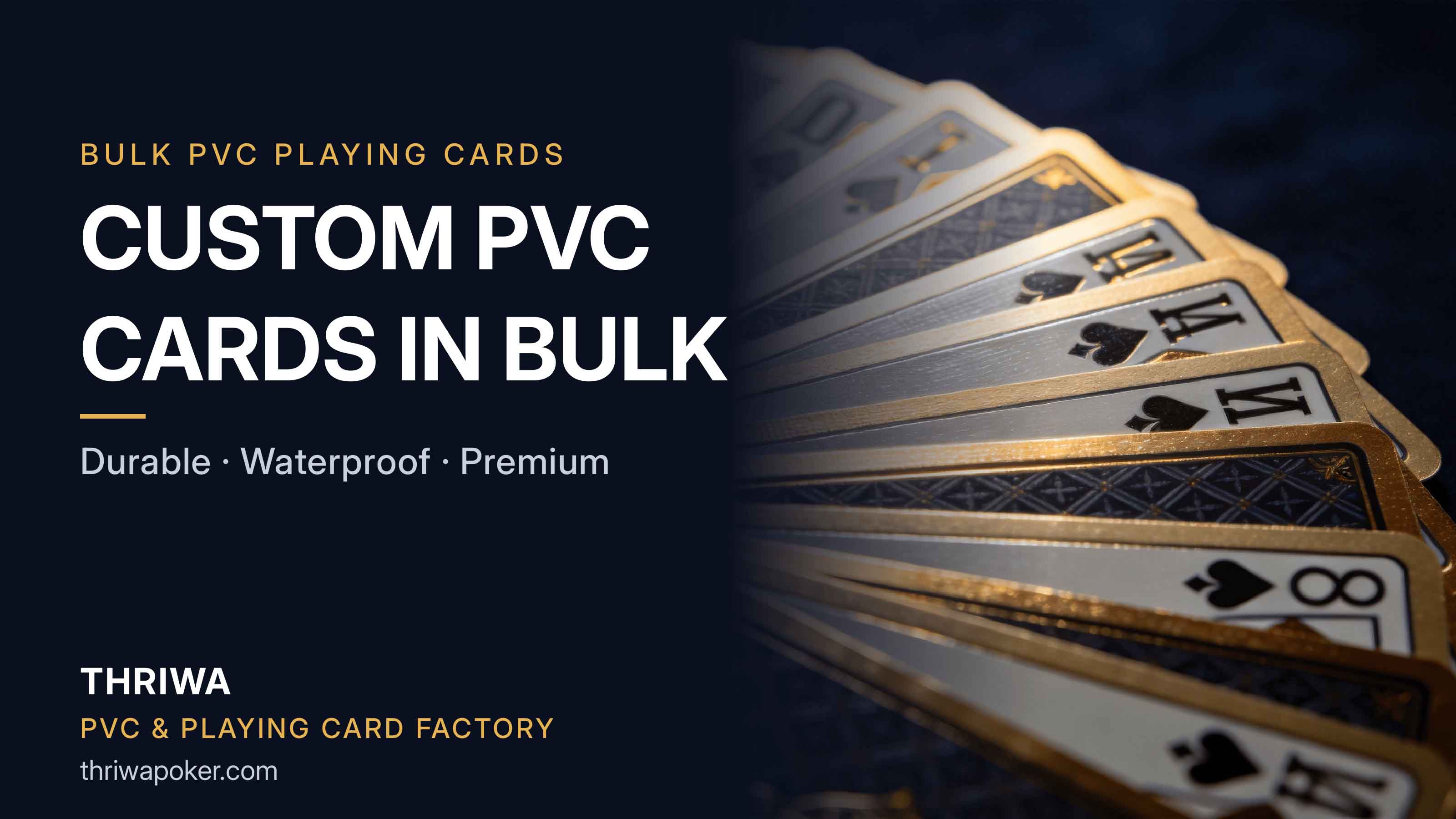
Yes, PVC cards typically last tens of thousands of shuffles without creasing or bending, while paper cards wear out quickly. In a standard bending test, a PVC card can be flexed thousands of times without a white crease line, while a paper card will show permanent damage after only a few hundred flexes. Edge wear is another key difference. Paper cards develop frayed edges and split laminates, especially when used with chip stacks or on rough tables. PVC cards, with their solid plastic construction, resist edge damage far longer. If you need a deck that survives heavy use in bars, hotels, or outdoor events, the longer lifespan of PVC directly reduces your repurchase cost and keeps your brand looking professional. Many bulk buyers have switched from paper to PVC precisely because the total cost of ownership is lower, even though the upfront price per deck is higher.
Yes, 100% PVC cards are waterproof and can be wiped clean after spills, making them ideal for bars, casinos, and outdoor events. Unlike paper cards that soak up moisture and become sticky or wavy, PVC cards repel liquid and can be cleaned with a damp cloth. This makes them perfect for environments where drinks are present, like pub poker tournaments or beachside promotions. Even sweat from players’ hands does not damage the surface. A quick wipe restores the cards to their original feel. For bulk orders, this waterproof feature is a strong selling point that justifies a premium price and gives your end customers a clear reason to choose your custom-branded cards over ordinary paper decks. It also reduces the risk of damaged products during shipping or storage, because PVC cards are not affected by humidity in the same way paper cards are.
A bulk PVC card order goes through layer printing, lamination, die-cutting, and strict quality checks, and each step determines the final feel and durability. Understanding the manufacturing process helps you avoid hidden pitfalls when ordering custom PVC cards in bulk. Most PVC cards start as rolls of plastic film. The artwork is printed onto the outer layers, then a black or opaque core layer is added to prevent see-through. These layers are laminated under heat and pressure to form a thick, flexible sheet. After lamination, the sheet is cut into individual cards using precision steel-rule dies. Finally, every batch is inspected for color accuracy, size consistency, and surface defects. A factory that controls each of these steps will deliver cards that feel uniform and shuffle smoothly. The same process is used across the custom playing cards manufacturing industry, but the level of precision varies significantly from one supplier to another.
Offset printing and UV digital printing are the most common choices, with offset offering high-volume consistency and UV allowing vibrant details. Offset printing is the workhorse for large bulk orders because the colors stay stable across thousands of sheets and the per-card cost drops significantly with quantity. UV digital printing, on the other hand, is better for short runs, highly detailed artwork, or custom orders that need quick turnaround. For a truly premium result, some factories use a combination of both. When you request custom PVC cards in bulk, ask the supplier which printing method they recommend for your artwork and order volume. A reliable factory will be transparent about the trade-off between cost, speed, and color vibrancy. They should also provide a color proof before production so you can verify that your brand colors will be reproduced accurately.
PVC cards are usually built with a black core layer between white layers, and this structure prevents see-through and adds snap. The core layer is typically dark gray or black, which blocks light and ensures that you cannot see card values through the back of the card. This is essential for playing cards. The white outer layers provide a clean surface for printing and help the card maintain its rigidity. When the layers are fused together, the card gains a “snap” that feels familiar to professional poker players. A thicker card generally feels sturdier, but the exact thickness should match your intended use. For custom PVC cards in bulk, the layering structure is critical for both durability and the perceived quality of your brand. Lower-grade cards may use a gray core that is less opaque, so you should confirm the core material and thickness with your supplier.
Accurate die-cutting ensures every card in a bulk order has the same size and smooth corners, which is essential for shuffling and dealing. If the cutting is even slightly off, some cards may be wider or narrower, causing them to catch during riffling. Corner radius also matters: sharp corners wear faster and feel less comfortable. A professional factory uses hardened steel dies with very tight tolerances and periodically checks the cutting process during the run. In a bulk order of thousands of decks, a one-millimeter error can turn every deck into a defective product. This is why you should always ask the supplier about their cutting machinery and quality inspection procedures before placing a large order. A good factory will also use rotary cutters or punch presses that are designed specifically for PVC cards, rather than generic cutting tools that may leave rough edges.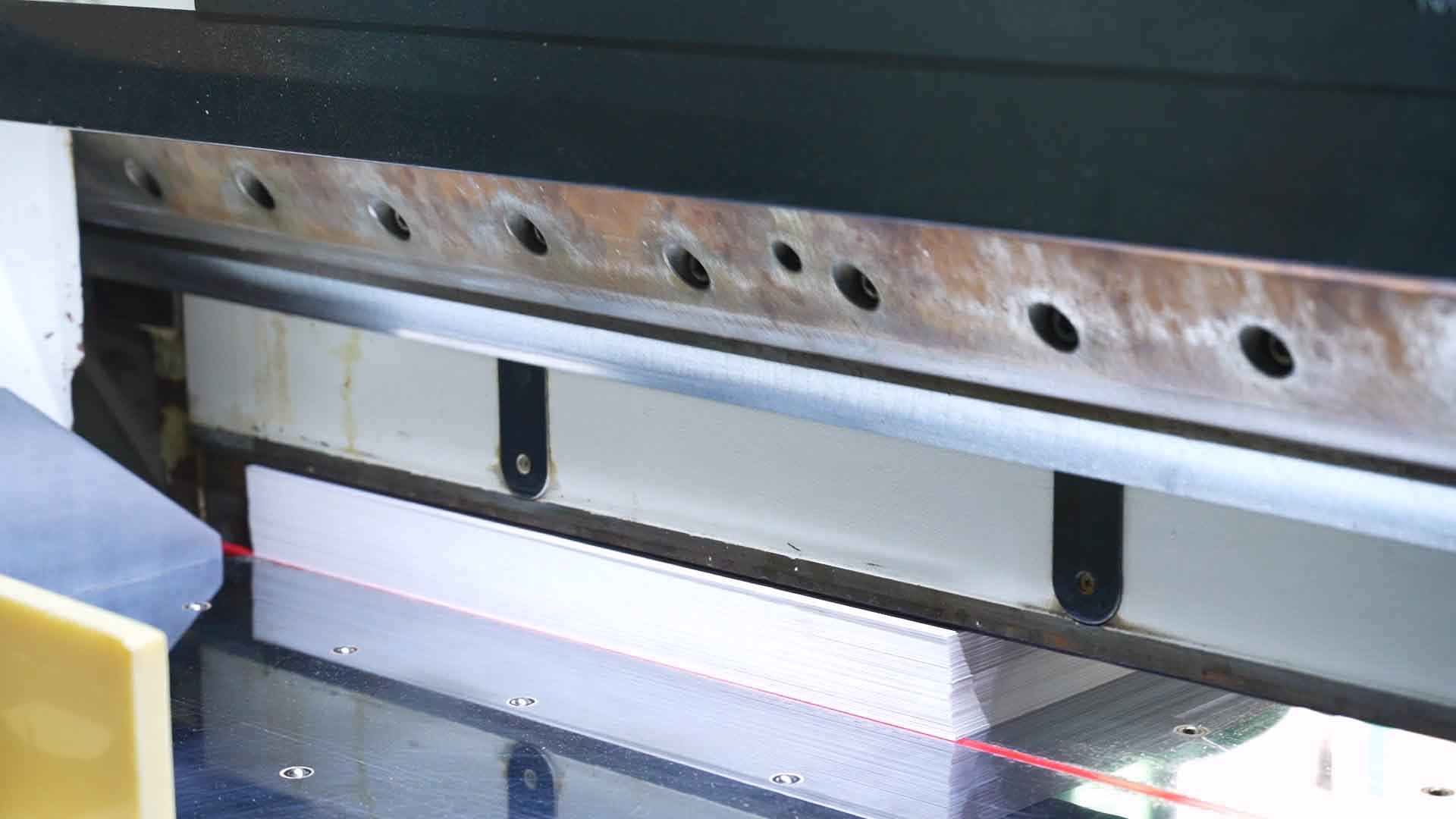
The most important custom options are card size, surface finish, artwork printing, and special effects, because they directly affect look, feel, and brand impact. When you order custom PVC cards in bulk, you want the final product to represent your brand with precision. Size determines how the cards fit in players’ hands, finish determines how they slide and reflect light, and artwork printing ensures your design is reproduced accurately. Special effects add a memorable touch that can differentiate your product in a competitive market. Each choice has practical trade-offs, so it is wise to weigh your priorities before committing. A well-planned customization strategy can turn a simple deck of cards into a powerful marketing tool or a premium retail product.
Poker size and bridge size are standard for playing cards, while custom sizes remain possible for special uses such as game cards or ID cards. Poker size measures 2.5 by 3.5 inches and is the most common for casino and cardroom games. Bridge size is slightly narrower, at 2.25 by 3.5 inches, which is popular for games like bridge and rummy. Custom sizes are possible when you are not producing traditional playing cards. For example, a board game might use square cards, hexagonal cards, or oversized cards. Keep in mind that unique sizes require custom dies, which can raise setup costs and lead times. For bulk orders, sticking to standard sizes lowers cost and speeds up delivery. If you do need a custom size, ask the factory how many decks you must order to amortize the die cost effectively.
Glossy gives vibrant colors and a slick feel, while matte reduces glare and improves grip, so the choice depends on your game environment. Glossy cards are excellent for showing off bright artwork and they slide effortlessly across tables, which many players enjoy. However, under direct light, glossy surfaces can produce reflections that strain the eyes. Matte cards diffuse light and provide a softer, grippier feel that is preferred in professional tournament settings where glare is a problem. There is also a frosted option that balances the two. Thriwa offers a variety of surface treatments, including glossy, matte, and frosted, so you can match the finish to your specific game environment. You can explore these options on Thriwa’s product page to see which one suits your brand.
Yes, both sides can be fully printed, allowing a complete custom design without blank borders or restrictive templates. A common misconception is that the card back must be plain or that the face must follow a traditional layout. In fact, PVC cards accept full-bleed printing on both the face and back. This means you can place your logo, patterns, and images right up to the edge of the card. The factory will build artwork with proper bleed margins (usually 2–3 mm) and then cut the card after printing, so the design appears to run edge-to-edge. This freedom is ideal for branded promotional decks or custom game cards where the visual impact matters more than traditional card rules. Just remember to provide your artwork with the correct bleed requirements, and your supplier will handle the rest.
Special finishes like metallic edges, soft-touch coating, or transparent PVC can make your cards stand out and justify a premium price. A metallic gold or silver edge adds a luxury feel that elevates a poker deck into a collectible item. A soft-touch coating gives the card a velvety texture that players remember. Transparent PVC cards are popular for illusions, light games, or modern art projects. Other effects include UV spot gloss to highlight specific design areas, holographic patterns, and fluorescent colors under UV light. If your budget allows, one or two special finishes can differentiate your custom PVC cards in bulk from generic decks and make them far more desirable. When you talk to your factory, ask for a sample of the finish so you can feel it before making a final decision.
Pick a supplier that offers physical samples, transparent pricing, and documented quality checks before committing to a bulk PVC card order. The supplier you choose becomes your manufacturing partner, so you need to know how they handle communication, sample approvals, print proofs, and production delays. A trustworthy supplier will provide a clear sample of your exact artwork before mass production. They will also break down their pricing so you understand what you are paying for. Finally, they should be willing to share their quality inspection process, not just tell you they have one. These three factors – samples, pricing, and quality checks – are the best protection against hidden pitfalls in a custom PVC card order. Without them, you may discover mismatched colors, unstable thickness, or delayed deliveries only after the entire batch is printed.
A sample should prove print accuracy, color matching, card thickness, and consistent cut quality across multiple cards. When you request a sample, do not just look at the front design. Check that the colors match your approved artwork, especially your brand color. Measure the thickness with a caliper and compare it to the specifications. Shuffle the sample deck and see whether the cards feel uniform. Inspect the corners and edges for any rough spots or variation. A good factory will also make a die-press sample that goes through the actual cutting process, so you know the production run will match the sample. If a supplier hesitates to send physical samples, treat that as a red flag. A sample that is different from the final mass-produced cards is also a warning, so always confirm that the sample was produced on the same production line that will run your order.
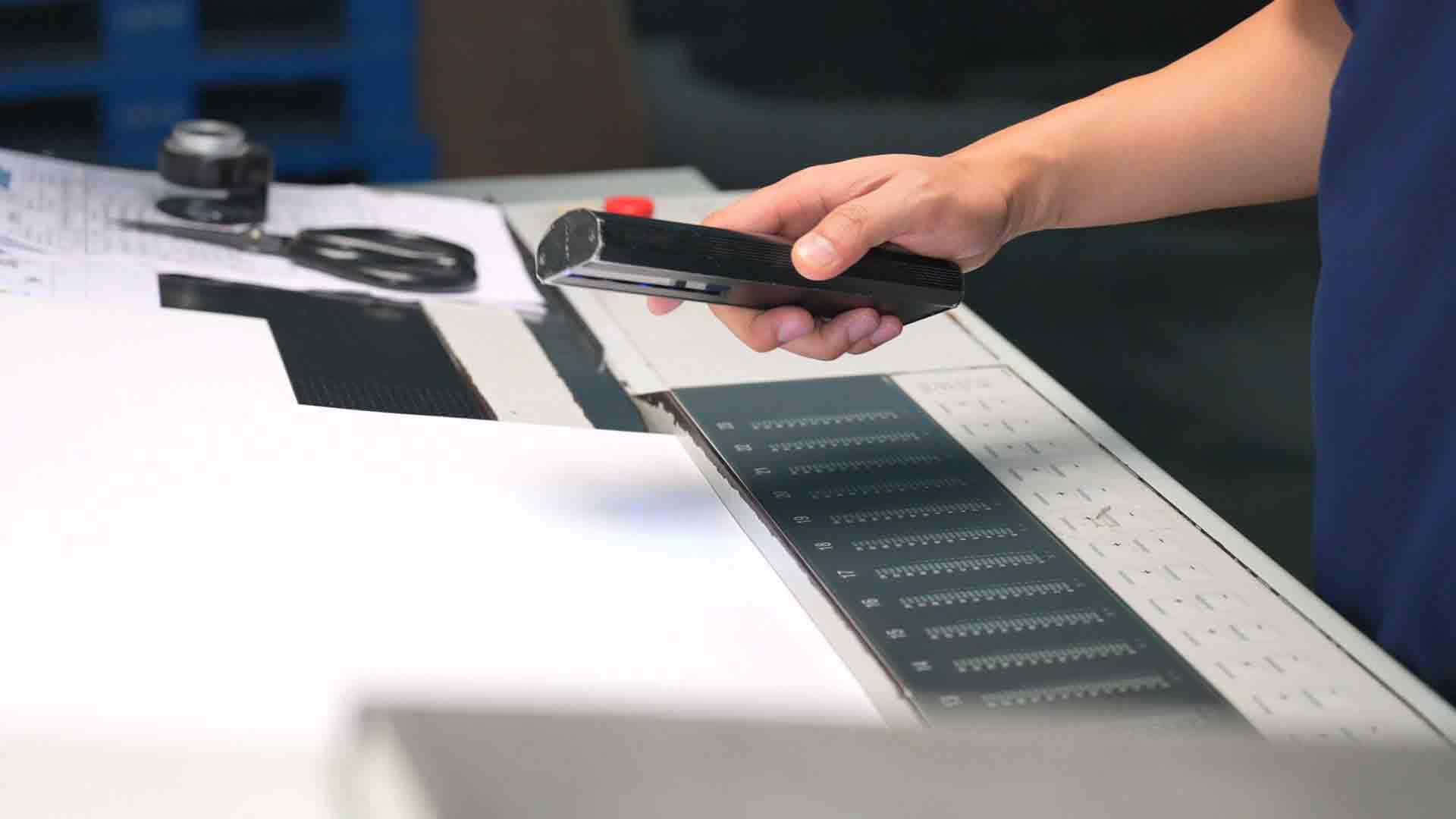
Yes, rigorous quality checks prevent misprints, color shifts, and damaged cards from reaching your customers, especially in large batches. In a bulk order of 10,000 decks, even a 1% defect rate means 100 bad decks. A professional factory will use both automated inspection cameras and human visual checks to catch print errors, scratches, and color inconsistencies. Some suppliers inspect every single card during the finishing process, while others use a statistical sampling method. For high-end products, 100% inspection is better. Thriwa’s multi-step quality control process includes visual checks along the production line, random sample tests after packaging, and a final inspection before loading the container. You can learn more about Thriwa’s factory quality standards on its quality inspection page, which describes the exact steps taken to ensure batch consistency.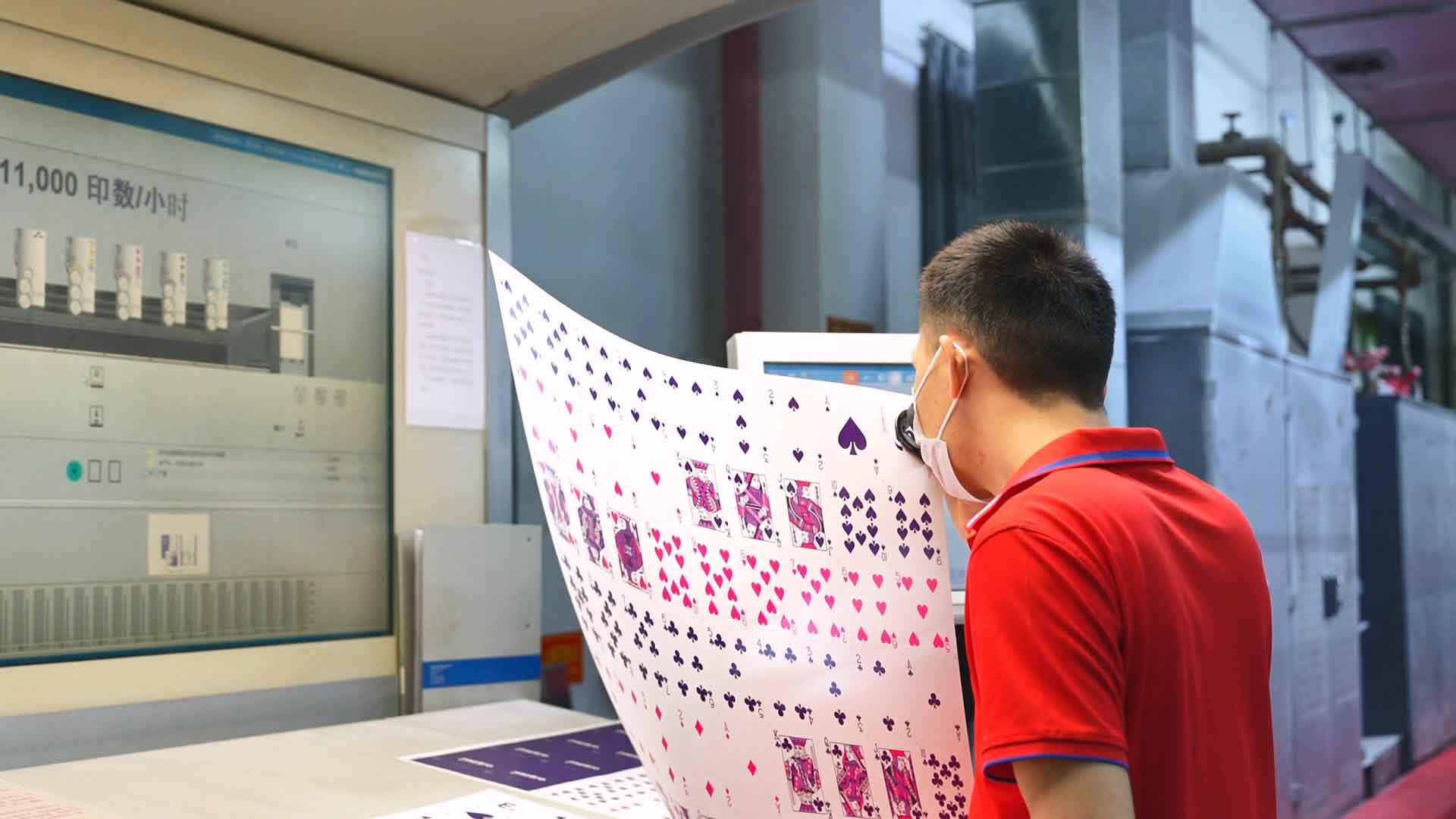
Reliable bulk pricing should be broken down by material, printing, finishing, packaging, and shipping, with no hidden fees. When you compare quotes from different factories, make sure each line item is clear. The material cost depends on the thickness and grade of PVC. Printing cost varies with the number of colors and the complexity of your artwork. Finishing includes lamination, surface coating, and special effects. Packaging could be tuck boxes, shrink wrap, or custom cartons. Shipping is also a major line item, especially for international orders. Ask the supplier about their minimum order quantity and whether die-cutting or setup costs are included. A transparent quote lets you identify exactly where you can save money or where you need to upgrade quality. If a supplier gives you a single lump-sum price without any breakdown, request a detailed quotation in writing before you commit.
Yes, Thriwa is a dedicated PVC card/Playing card factory that combines production capacity, quality control, and customizable options specifically for bulk orders. Thriwa is not a trading company that outsources production. It is a manufacturing facility focused entirely on PVC cards, which means the production line is configured for card-specific requirements. The factory has the capacity to handle large orders without sacrificing consistency. From the first artwork proof to the final container inspection, Thriwa acts as a single accountable partner. This makes it easier for bulk buyers to manage deadlines, quality standards, and communication. Whether you need 2,000 decks or 200,000 decks, Thriwa’s production system is built to scale.
Thriwa focuses exclusively on PVC card and Playing card manufacturing, meaning every step is optimized for card quality and bulk efficiency. Because Thriwa is not switching between paper cards and other plastic products, the staff, machinery, and QC procedures are all built around the needs of PVC playing cards. This specialization shows up in details: consistent layer alignment, accurate die-cutting, and careful handling of finished decks. Thriwa also invests in its own printing and cutting equipment, so it can control delivery times and quality without depending on subcontractors. For brands that need reliable custom PVC cards in bulk, this focus offers peace of mind. It also means that Thriwa can offer thoughtful guidance on card thickness, finish, and packaging options because those are the core of its daily production.
Yes, Thriwa offers tiered bulk discounts based on order quantity, and larger orders receive better per-card pricing. The discount structure is straightforward: the more cards you order, the lower the unit cost becomes. This makes PVC cards more affordable for large promotional campaigns or retail distribution. Thriwa’s minimum order quantity is designed to be accessible for growing brands, while the price breaks reward high-volume repeat orders. In addition, Thriwa supports bulk packaging and logistics, including custom carton printing and pallet loading, so your cards arrive safely and ready for distribution. If you are planning a series of branded decks, you can also negotiate a longer-term contract to lock in favorable rates.
You can contact Thriwa through its [https://thriwapoker.com/collections/custom-pvc-cards](Contact Us) with your card size, finish, quantity, and artwork to get a detailed quote. To make the proposal process fast, have your specifications ready: the card size (poker or bridge), the number of cards per deck, the deck quantity, the preferred finish (glossy, matte, or frosted), and any special effects. Attach your artwork file if you have one. Thriwa’s team typically responds within one business day with a clear quotation and a production timeline. You can also request a physical sample before placing your first bulk order. The inquiry page is the direct line to a dedicated account manager, so you will not get lost in a sales funnel. Share your project details early, even if they are still preliminary, because the factory can help you fine-tune the specification to reduce cost.
Before you place a large order for custom PVC cards in bulk, always request a physical sample and define your own quality acceptance criteria. Check the sample for color, thickness, cut precision, and finish. This will protect you from the hidden pitfalls of misprinted colors, inconsistent sizes, or delayed deliveries. As the game and entertainment industries continue to grow, demand for durable, highly customizable PVC playing cards will only increase. Establishing a close partnership with a specialized factory like Thriwa now gives you better cost control, reliable quality assurance, and long-term production security for every project to come. Take the time to evaluate samples and compare quotes, and you will turn a simple card order into a strong brand investment.


